London Museum Moves to Smithfield Market in World’s Largest City-Focused Venue
The London Museum has relocated to a newly renovated section of the Smithfield meat market, establishing what is described as the largest museum in the world dedicated to a single city. The move provides expansive new galleries for its 'Our Time' and 'Past Time' exhibitions, which trace London’s evolution from hunter-gatherer origins through centuries of migration and industrial change.
The London Museum has relocated to a newly renovated section of the Smithfield meat market, establishing what is described as the largest museum in the world dedicated to a single city. The move provides expansive new galleries for its 'Our Time' and 'Past Time' exhibitions, which trace London’s evolution from hunter-gatherer origins through centuries of migration and industrial change.
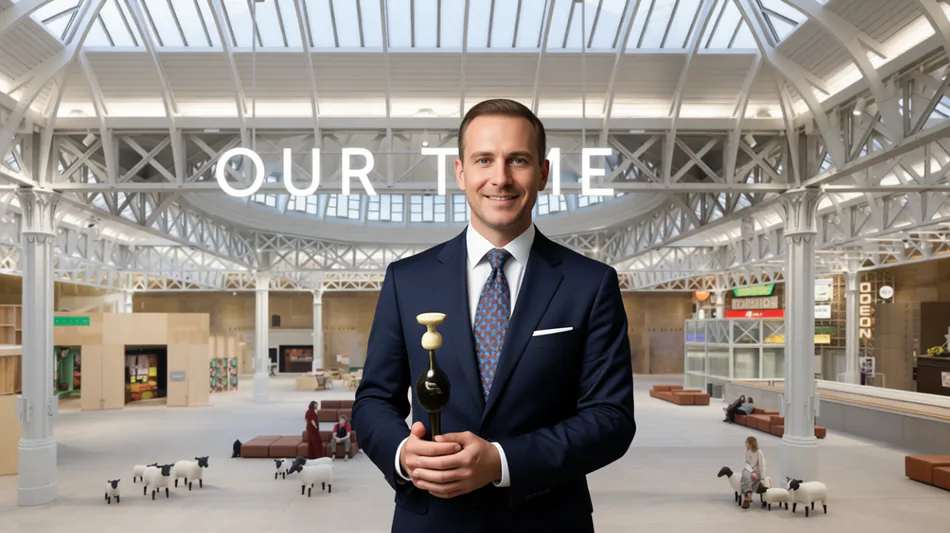
The institution has previously outgrown its premises, but this new site is designed to accommodate its collections for several generations. The building features a grand Victorian iron structure and glass sky lighting originally designed by architect Horace Jones, who also designed Tower Bridge. While newly built partitions within the space are described as modest compared to Jones’s original grandeur, they provide ample room for future exhibits.
The museum's layout is divided into two main sections. The 'Our Time' floor occupies the upper level, offering space for current and future displays. Below, the 'Past Time' basement utilizes its full volume to narrate the story of London and its inhabitants. This section covers the period when early residents followed seasons and animals along the Thames, through the Roman arrival which brought order to their main town, and includes artifacts from structures that survived the Great Fire and World War II.
The exhibition highlights the role of migration in shaping the city's demographics and culture. Displays explain how populations changed over thousands of years as people arrived to trade, share news, and build relationships. One exhibit notes that Southwark was inhabited by a diverse mix of people from across the Roman Empire and Iron Age Britons, noting differences in skin, hair, and eye color that gradually shifted as the population evolved.
Moving into the 20th century, the museum explores how migrants and refugees introduced new skills and cuisines. Other displays cover leisure activities such as music halls and cinemas, changing fashions, and the arrival of vehicles like the Ford Escort. The collection also features items provided by mudlarks who have recovered history from the Thames mud.
The renovated space retains elements of its industrial past, including an old bell that was once rung hourly at the market entrance. Inside, visitors encounter life-size models of sheep, original shop signs such as one for Topshop, and other historical artifacts. A viewing window allows guests to watch Thameslink trains pass by, offering a glimpse of commuters' reactions.
The museum describes itself as a major asset to the capital and encourages residents to visit to learn more about their city. Booking details are available on the London Museum website.
H.Meyer--BVZ