EU-Mexico Trade Deal to Boost Luxembourg Wine and Dairy Exports

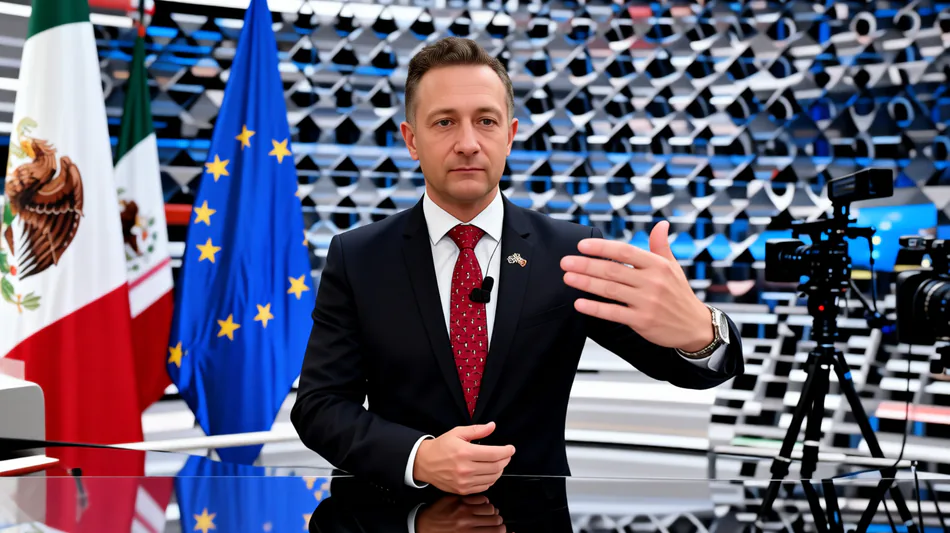
European Commissioner for Agriculture and Food Christophe Hansen has highlighted the potential benefits of the newly overhauled EU-Mexico trade agreement for Luxembourg’s exporters. The deal aims to eliminate tariffs on 95% of European goods while strengthening protections for geographical indications, opening new markets for Luxembourg’s wine and dairy industries.
European Commissioner for Agriculture and Food Christophe Hansen has outlined how the European Union’s revamped trade agreement with Mexico offers significant new opportunities for Luxembourg’s exporters, particularly in the wine and dairy sectors. Speaking to RTL Today, Hansen emphasized that the updated pact extends far beyond simple tariff adjustments, reflecting a broader strategic shift in international commerce.
After more than two decades, the existing framework was deemed outdated by EU officials. Hansen noted that the previous agreement belonged to "a different era," whereas the new version is designed to anchor climate action, human rights, and sustainable practices at the core of trade relations between the bloc and Latin America.
For Luxembourg businesses, the immediate economic implications are substantial. Hansen pointed out that the deal includes a phased reduction in tariffs, meaning 95% of European export products will eventually face zero duties. This shift is critical for leveling the playing field against competitors from countries like Chile and Argentina, which have already secured zero-tariff status for key sectors such as wine. According to Hansen, this change "will open a new window of opportunity" for European wine producers who previously faced a competitive disadvantage.
The impact extends beyond viticulture. Hansen identified Luxembourg’s dairy sector as another major beneficiary of the agreement. He described Mexico as a "huge market" comprising 130 million consumers, providing ample room for growth. The removal of import duties will make these products more competitive in a region where they previously faced higher costs.
Additionally, the agreement introduces stronger protections for European geographical indications (GIs). Hansen highlighted that over 500 iconic brands, such as Parmigiano Reggiano, will be shielded from fraudulent competition. He argued that the pact will ensure counterfeit products disappear from the market, allowing authentic European goods to thrive with reduced import duties.
Hansen characterized the successful renegotiation as proof that "multilateralism still works," signaling the EU’s commitment to maintaining robust trade ties through negotiated cooperation rather than unilateral measures.
B.Lenz--BVZ