French firefighters face 'pyrocumulonimbus' for first time / Photo: ROMAIN PERROCHEAU - AFP/File
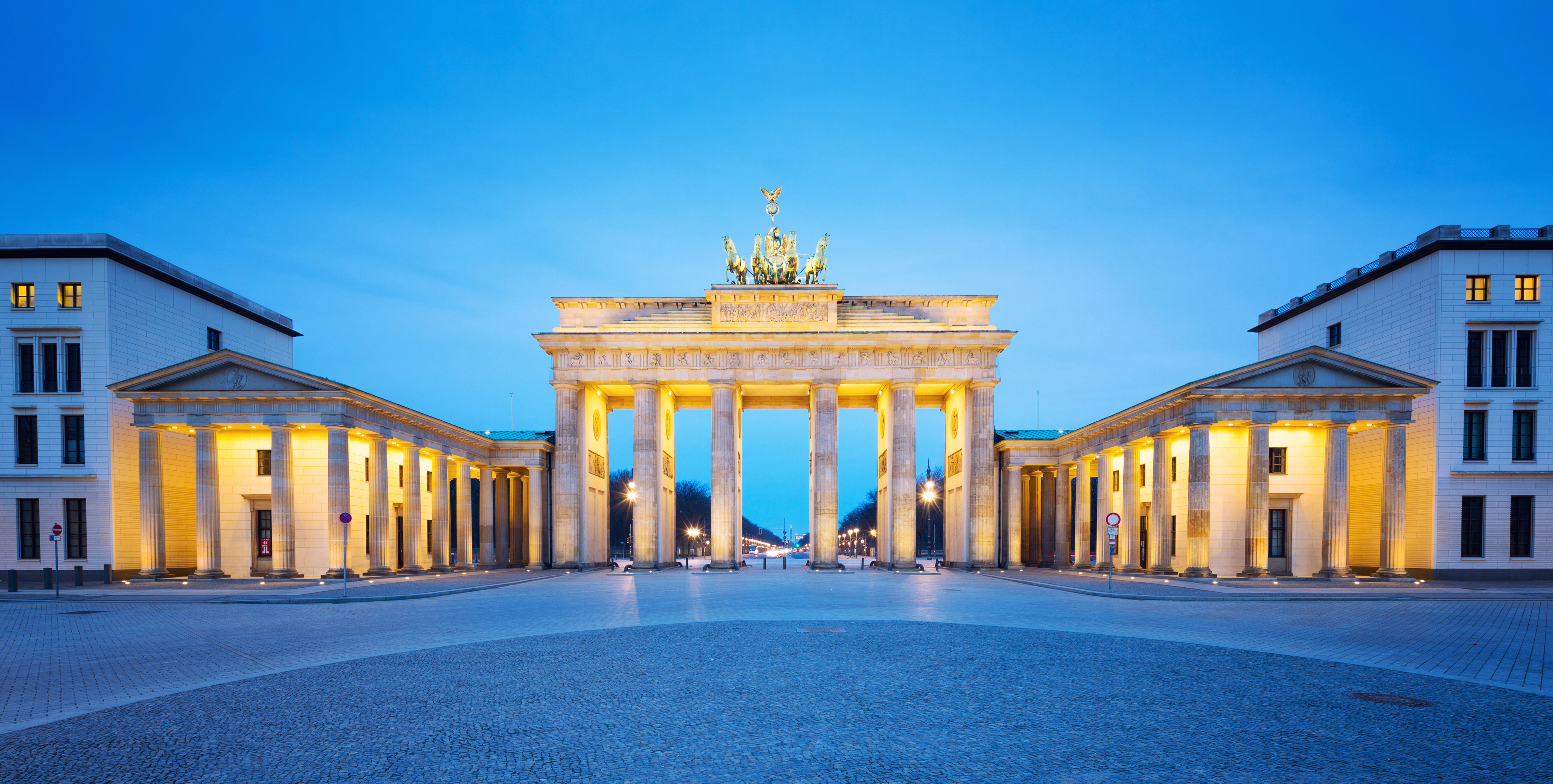
The gigantic wildfire ravaging southwest France has created an extremely dangerous "pyrocumulonimbus" -- a phenomenon never before seen in the country -- the spokesman for the country's National Firefighters Federation of France (FNSPF) told AFP.
Such a formation, also called a cumulonimbus flammagenitus cloud, can be seen during volcanic eruptions -- or, as in this case, when a wildfire roasts the air near the ground, causing it to rise quickly.
The rising air cools and becomes a cloud, or fire cloud: a turbulent mass that can generate its own winds that worsen fires. If it becomes very large it can even generate lightning.
Hitherto, they have only really been seen in wildfire-prone Australia and North America. NASA calls them the "fire-breathing dragon of clouds".
What causes them?
FNSPF spokesman Lieutenant Colonel Eric Brocardi:
"The rise in ground temperature at the heart of the blaze is so extreme that the intense heat surges upward in a column, meeting cooler air masses at the top. This contact creates a pyrocumulonimbus -- or fire cloud -- though unfortunately one devoid of moisture. This smoke cloud generates its own weather system, causing anything in its path to spontaneously combust.
"Lightning forms within the cloud, striking the embers on the ground and further fuelling the fire ... It produces a low, rumbling sound.
"While this type of fire occurs regularly in Canada and Australia, it is unprecedented in France."
Can it be brought under control?
"We are dealing with a so-called 'convective' fire that creates its own winds -- winds that constantly shift direction, unlike a standard fire that spreads in a conical pattern. The result is that it spreads in every direction and develops multiple fire fronts, making the situation completely unpredictable.
"We don't know how the blaze will spread; the fire front is constantly shifting. We cannot fight it directly. It's a David-versus-Goliath scenario: the idea is that, at some point, we'll find a weak spot and strike there.
"Salvation will come either from the sky -- in the form of rain, though it would need to pour heavily for three days -- or by finding a way to steer the fire toward a place where it will die out on its own. The sea, for example."
Do the firefighters have any hope?
"We have reached a point of 'operational impossibility' that requires us to accept the need for strategic retreat -- to understand and acknowledge a natural force beyond our control.
"It calls for ... knowing what can be done and, above all, what cannot. The situation on the ground is defensive rather than offensive; it is a war-like scenario where we are under constant bombardment and must get everyone to safety.
"We realise we are facing a situation where we are powerless. Yet, that powerlessness leaves no room for despair. It is certain that all the efforts being made will yield results. It is out of the question for the firefighters to feel that their work on the ground is in vain.
"Every single action -- defending critical sites, rescuing animals -- breathes new life into their efforts, driven by their fierce determination. There is a support force ready to relieve them.
"However, not all firefighters from across France can simply converge here, because the risk exists everywhere. We have to hold the line."
(Interviewed by AFP journalist Juliette Collen)
A.Huber--BVZ